Tech
URL Encoder and Decoder SpellMistake: A Complete Guide to Encoding, Decoding, and URL Errors

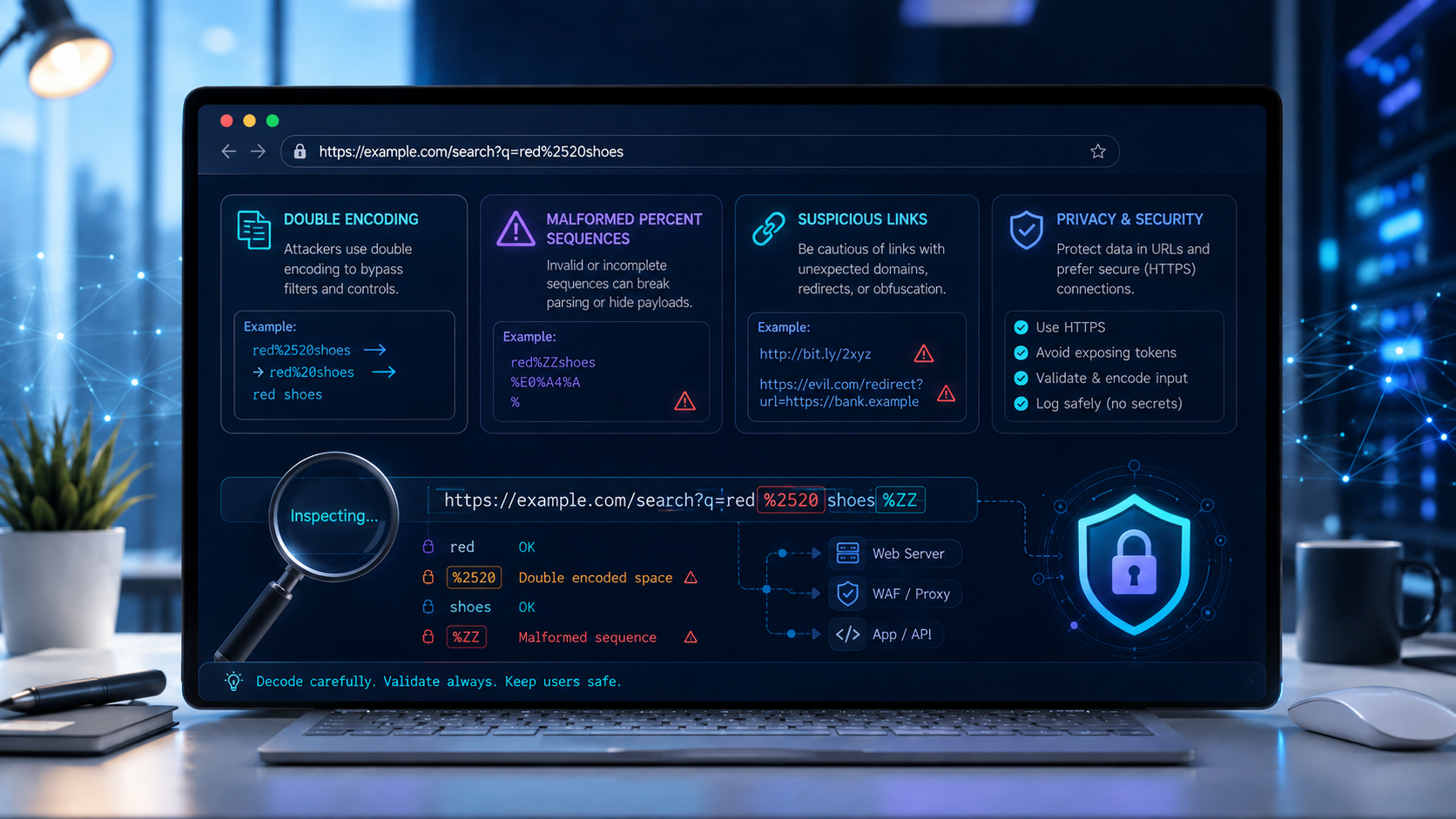
The phrase url encoder and decoder spellmistake is often searched by people who want to convert text into a safe URL format or turn encoded links back into readable text. It is closely connected with the tool available on SpellMistake.com, but it can also describe general concerns about URL formatting, symbols, spelling errors, and broken links. Understanding url encoder and decoder spellmistake begins with knowing how browsers interpret special characters.
What Does URL Encoder and Decoder SpellMistake Mean?
The term url encoder and decoder spellmistake is not an official technical standard. It mainly refers to a web-based encoding and decoding utility associated with SpellMistake.com. The tool helps users convert normal text into percent-encoded form and decode encoded data, but it does not correct spelling, grammar, or inaccurate information entered by the user.
What Is a URL Encoder?
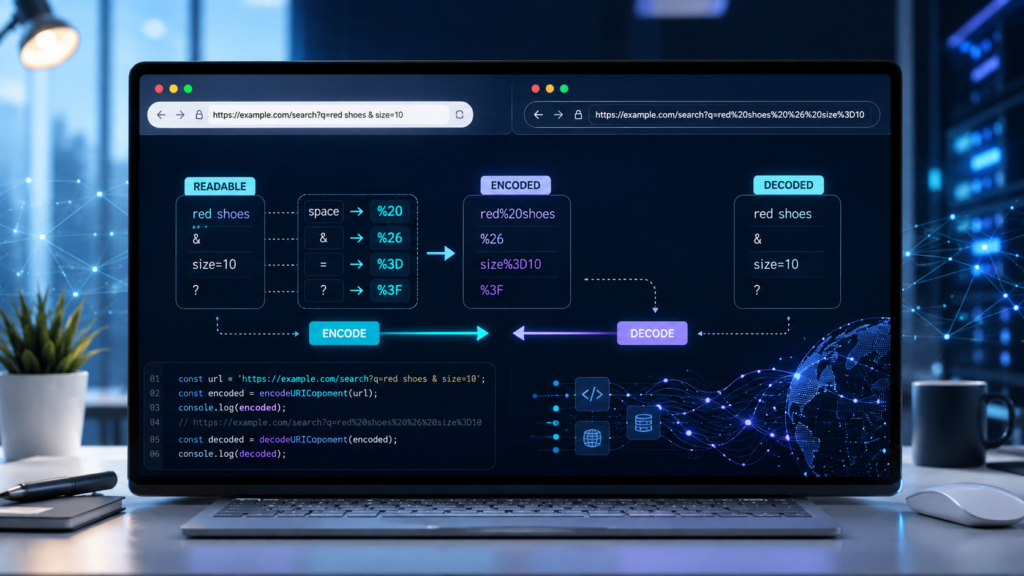
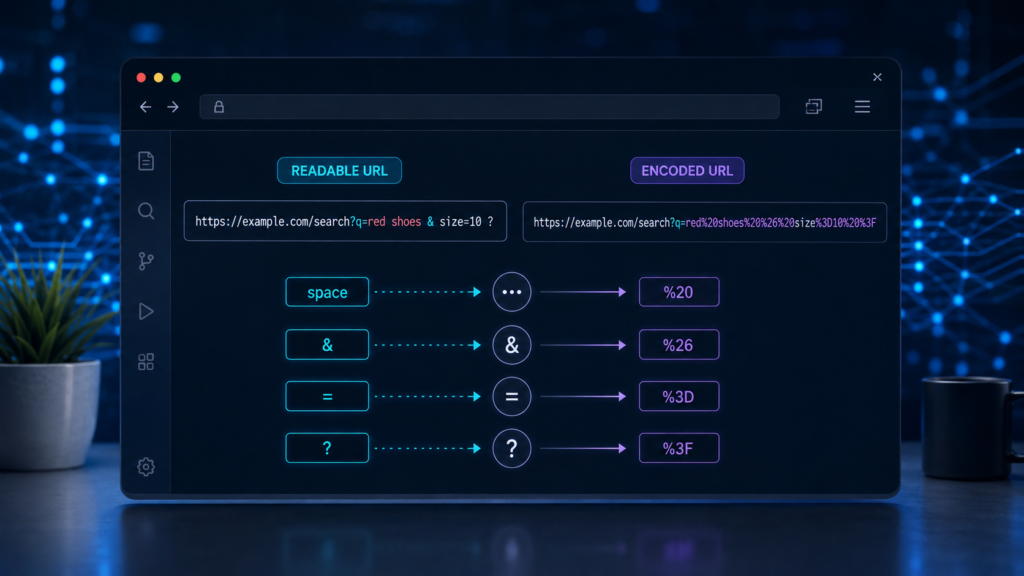
A url encoder changes spaces, symbols, and special characters into a format that browsers and servers can understand safely. This process is called percent-encoding because converted characters usually appear as a percentage sign followed by two hexadecimal digits. A space commonly becomes %20, while an ampersand may become %26 when it is treated as data.
What Is a URL Decoder?
A URL decoder performs the reverse process by changing encoded sequences back into readable characters. For example, digital%20marketing%20%26%20SEO becomes digital marketing & SEO. A url encoder decoder is useful for developers, marketers, website owners, and anyone who needs to inspect search queries, tracking parameters, redirect links, or API requests.
How the SpellMistake Tool Works
The url encoder and decoder spellmistake tool follows a simple process. A user enters text or an encoded URL, chooses the Encode or Decode option, and receives a converted result. This makes it useful for quick checks, although private tokens, password-reset links, and confidential details should never be pasted into an unfamiliar online utility.
Why URL Encoding Is Necessary
URLs use characters such as ?, &, =, /, and # to organize information. If one of these symbols belongs to the actual text, it can confuse the browser or server. Encoding changes that symbol into a safe representation, allowing the system to understand whether it is part of the URL structure or part of the submitted value.
How Percent-Encoding Works
Under standards such as RFC 3986, encoded characters are represented by % followed by two hexadecimal digits. A space may appear as %20, a percentage sign as %25, and a question mark as %3F. The url encoder and decoder spellmistake process applies these predictable character conversions rather than changing the meaning of the original text.
Complete URLs and URL Components
A complete URL contains several parts, including a scheme, domain, path, query string, and fragment. Encoding the entire address without considering these sections can break important separators. The safer approach is usually to encode only a value, such as a search term, name, message, or filter, while keeping the main URL structure readable.
URL Encoding in JavaScript
In JavaScript, encodeURI() is generally used for a complete address, while encodeURIComponent() is used for an individual value. This distinction matters because a component encoder converts symbols such as ampersands and equals signs that could otherwise change a query string. A dependable url encoder decoder should clearly explain which type of input it expects.
Common URL Encoding Errors
Double encoding happens when already encoded text is encoded again. A space first becomes %20, but a second conversion may change it to %2520. Malformed sequences such as %2, %ZZ, or a single percentage sign can also cause errors. Using url encoder and decoder spellmistake carefully helps users identify these problems before sharing a link. It can also reveal whether a value has been encoded more than once.
Can It Correct a Spelling Mistake?
The url encoder spellmistake keyword may suggest that the tool fixes spelling, but it does not. If someone enters best shose online, the encoder may produce best%20shose%20online, preserving the incorrect word. Users should proofread domain names, paths, search terms, product titles, and parameters before starting the encoding process.
The Difference Between %20 and +
A space is usually represented as %20, but in application/x-www-form-urlencoded data it may appear as a plus sign. A real plus sign must then be encoded as %2B. This difference is important because a decoder that automatically changes every + into a space may produce the wrong result in some URL components.
Unicode and International Characters
Modern URLs can include Urdu, Arabic, accented letters, Asian scripts, and emojis. These characters are normally converted into UTF-8 bytes before percent-encoding. One visible character may therefore create several encoded sequences. The url encoder and decoder spellmistake tool can help process international text, although the final address may look longer and less readable.
URL Encoder and Decoder UploadArticle.com
The phrase url encoder and decoder uploadarticle.com appears to be a related navigational keyword. UploadArticle.com is known mainly as an article-publishing and guest-posting platform. A clearly verified official URL encoder tool on that domain may not always be available, so writers should avoid making definite claims unless the relevant page can be confirmed.
URL Encoding and SEO
Proper URL encoding supports SEO by preventing broken links, damaged parameters, and unreadable search values. However, url encoder and decoder spellmistake is not a ranking technique. The real SEO value of url encoder and decoder spellmistake comes from maintaining technically reliable links. Important pages should still use short, descriptive paths, readable words, and consistent internal linking.
Duplicate URLs and Canonicalization
Different encoded forms can sometimes lead to multiple versions of the same page. This may happen when one system uses readable characters while another uses unnecessary percent-encoding. Canonical tags, redirects, and consistent link formatting can reduce duplication. A url encoder decoder should therefore be used with a clear site structure rather than as a replacement for SEO planning.
Security and Privacy Risks
URL encoding is not encryption. Anyone can decode percent-based sequences, which means passwords, access tokens, customer details, and confidential links are not protected by encoding. The url encoder and decoder spellmistake process may improve readability and compatibility, but users must still check domains, avoid suspicious links, and protect sensitive information.
Interesting Facts About URL Encoding
Hexadecimal letters are case-insensitive, so %2F and %2f represent the same byte. Uppercase letters are often preferred for consistency. A percentage sign becomes %25, which explains why double-encoded URLs contain %25. Ordinary letters can also be encoded, but doing so usually makes the link harder to read without providing a practical benefit.
How to Use the Tool Correctly
Before using url encoder and decoder spellmistake, check the original text for spelling mistakes, invalid domains, missing symbols, and unwanted spaces. Decide whether the input is a full URL or only one component. After conversion, review the result and test it in a safe environment to confirm that the website or application reads it correctly.
Frequently Asked Questions
What is url encoder and decoder spellmistake?
It refers to a URL encoding and decoding tool associated with SpellMistake.com. It helps convert normal text into encoded form and encoded text back into readable form.
Does a URL encoder fix spelling mistakes?
No, a URL encoder does not correct spelling or grammar. It only changes characters into a URL-safe format.
Why is %20 used in URLs?
%20 represents a space in a URL. It helps browsers and servers process spaces without breaking the web address.
What is the difference between encoding and decoding?
Encoding converts text into a URL-safe format, while decoding restores encoded characters to their original readable form.
Is URL encoding the same as encryption?
No, URL encoding is not encryption. Encoded text can be decoded easily, so sensitive information should not be placed in URLs.
Final Thoughts
The keyword url encoder and decoder spellmistake mainly refers to a practical tool and the wider topic of URL conversion errors. In everyday use, url encoder and decoder spellmistake is most valuable when it prevents data from being misread. It helps users encode spaces, symbols, Unicode text, and query values while also making encoded links readable again.
Whether someone uses SpellMistake.com, searches for url encoder and decoder uploadarticle.com, or chooses another service, the same principles apply. Users should check spelling, select the correct URL component, avoid double encoding, and protect sensitive information. These simple practices make web addresses more reliable, readable, secure, and easier to troubleshoot.
You May Like: I’m a Skincare Beginner. Is Nivea a Good Starting Brand Compared to Garnier?



Best Pollo Al Chilindron Near Me: Authentic Spanish Chicken Guide

Best Pasticho Venezuelan Lasagna Near Me: Where to Find Authentic Venezuelan Pasticho

How Mogothrow77 Software Is Built: Architecture, Installation, Open Source Status, and 2026 Facts

Mark Wiens Net Worth: How Travel and Food Turned Into Millions

Baylen Dupree Net Worth: From Social Media Creator to Television Personality

Who Is Sal Vulcano’s Wife? What We Know About Francesca Muffaletto
-
 Celebrity4 months ago
Mark Wiens Net Worth: How Travel and Food Turned Into Millions
-
 Celebrity4 months ago
Baylen Dupree Net Worth: From Social Media Creator to Television Personality
-
 Celebrity3 months ago
Who Is Sal Vulcano’s Wife? What We Know About Francesca Muffaletto
-

 Celebrity4 months ago
Lena Dunham Weight Loss and Weight Gain: What She Has Really Said
-

 Celebrity4 months ago
Rachel Zoe Ex Husband: Inside Her Marriage to Rodger Berman
-

 Celebrity3 months ago
Tyler1 Height, Age, Girlfriend, Chess Rating, Net Worth and Biography
-

 Business3 months ago
Make1M.com Millionaire Life: Wealth, Luxury and Financial Success
-

 Celebrity4 months ago
NLE Choppa Height, Age, Family, Net Worth, Wiki, and Biography